Longevity
Cat Longevity Protocols: A Clinical Framework for Feline Biological Optimization (2026)
By Samir Levin · September 3, 2026 · 17 min read
Disclaimer
This article is for informational and educational purposes only. It does not constitute medical advice, diagnosis, or treatment. Always consult a qualified healthcare provider before starting any new supplement, peptide, or protocol. Keys to Health and Samir Levin are not responsible for any actions taken based on this content.
What if you could halt feline heart disease years before a single murmur is audible? Most veterinary care remains stuck in a reactive loop, waiting for symptoms to manifest before intervening. This clinical framework for cat longevity protocols shifts the paradigm from maintenance to biological optimization. We leverage the same mTOR inhibition and regenerative strategies used in human longevity to extend the feline healthspan.
I understand the frustration of watching silent kidney or heart disease erode a cat's vitality while standard care offers nothing but palliative monitoring. You deserve a roadmap that prioritizes proactive intervention over late-stage crisis management. This guide provides the advanced diagnostic and pharmacological strategies required to manage metabolic decline effectively.
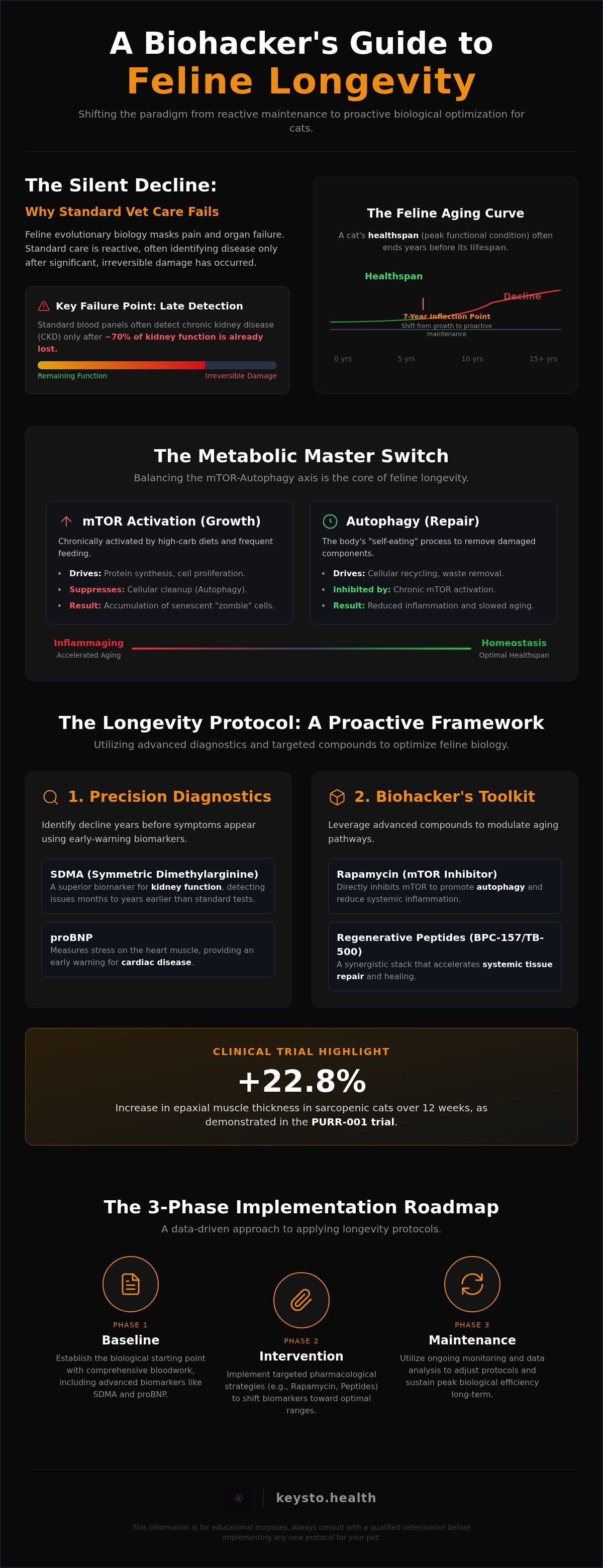
We'll analyze the latest 2026 clinical data on rapamycin analogs like Felycin-CA1 and the PURR-001 sarcopenia trial results, where treated cats saw a 22.8% increase in epaxial muscle thickness over 12 weeks. You'll find specific dosing ranges for regenerative compounds like BPC-157 and TB-500 alongside the early-warning biomarkers, such as SDMA and proBNP, needed to track progress. It's time to apply elite performance architecture to feline biology.
Key Takeaways
- Identify silent pathologies early by understanding how feline evolutionary biology masks organ failure until it's often too late for standard intervention.
- Learn to manipulate mTOR and Autophagy to regulate cellular cleanup and protein synthesis, the core metabolic drivers of feline aging.
- Transition from reactive medicine to a precision diagnostic framework using SDMA and proBNP to detect kidney and heart decline years before symptoms appear.
- Master the application of cat longevity protocols involving advanced compounds like Rapamycin and synergistic stacks such as BPC-157 for systemic tissue repair.
- Access my 3-phase roadmap consisting of Baseline, Intervention, and Maintenance phases to ensure all pharmacological strategies are guided by objective bloodwork data.
Table of Contents
The Feline Aging Curve: Identifying Silent Pathologies
Feline longevity is the proactive management of biological age rather than the passive observation of chronological years. We define success not by the cat's age, but by the preservation of metabolic and cognitive function. The Feline Aging Curve reveals that cats are evolutionary masters of disguise, a survival mechanism that masks pain and organ failure until biological systems reach a breaking point.
I've observed that the 7-year mark represents a critical metabolic threshold in feline physiology. This is the inflection point where the focus must shift from growth to maintenance and biological optimization. We distinguish between lifespan, the total years lived, and healthspan, the period of life spent in peak functional condition. Effective cat longevity protocols prioritize the latter to avoid a decade of slow, symptomatic decline.
The Biology of Feline Senescence
Systemic inflammation is largely driven by the accumulation of Senescent Cells, often called zombie cells. These cells stop dividing but refuse to die, instead secreting pro-inflammatory cytokines that damage surrounding healthy tissue. This "inflammaging" process causes a silent decline in heart and kidney function long before clinical symptoms appear.
- VetCompass Study (2014): Analysis of 4,007 cats established a median lifespan of 14 years, yet many succumbed to preventable metabolic failure.
- Organ Reserve: Feline organs possess significant compensatory capacity, meaning biological age often outpaces visible health.
- Cellular Debris: Failure of autophagy leads to protein aggregation and mitochondrial dysfunction in feline myocytes and nephrons. This accumulation drives the silent progression of age-related disease.
Why Standard Veterinary Care Fails Longevity
Standard veterinary care is almost entirely reactive. It treats symptoms after they manifest rather than optimizing the systems that prevent them. For example, standard CBC and chemistry panels often fail to detect kidney disease until roughly 70% of organ function is already lost. This delay makes regenerative intervention nearly impossible.
We advocate for a clinical framework modeled after our Human Longevity Protocol. By applying these high-performance principles to feline biology, we can identify biomarkers of decline years in advance. Our cat longevity protocols replace "normal" reference ranges with "optimal" targets, ensuring your cat operates at peak biological efficiency throughout its senior years.
Metabolic Drivers of Feline Longevity: mTOR and Inflammation
I view mTOR (mammalian target of rapamycin) as the master switch of feline biological aging. This nutrient-sensing protein kinase regulates whether a cell is in a state of growth or repair. In a state of chronic over-activation, mTOR drives protein synthesis while simultaneously suppressing Autophagy, the body's primary mechanism for cellular cleanup. Most domestic cats exist in a permanent state of mTOR activation due to high-frequency feeding and carbohydrate-heavy diets.
When autophagy is inhibited, damaged mitochondria and misfolded proteins accumulate within the cells. This cellular debris triggers a chronic, low-grade inflammatory response known as Inflammaging. In feline physiology, this inflammation is not localized; it is a systemic driver for pathologies like Chronic Kidney Disease (CKD) and cardiovascular thickening. Effective cat longevity protocols must focus on restoring the balance between growth and cellular recycling.
The mTOR-Autophagy Axis in Cats
Modern feline nutrition often prioritizes convenience over metabolic health. High-carbohydrate kibble causes repeated insulin spikes, which act as a direct signal for mTOR to remain active. This environment prevents the cat from entering the fasted state required to trigger autophagy. Without this self-eating process, cells cannot clear the biological waste that eventually leads to organ failure.
The famous Purina 9-year study demonstrated that nutrient intervention can extend life, but it only scratched the surface of the metabolic implications. Prebiotics do more than just aid digestion; they modulate the gut-brain axis to improve systemic insulin sensitivity. This reduction in baseline insulin allows for more frequent periods of mTOR suppression and autophagic repair. You can explore the specific mechanisms of these metabolic regulators in our Compound Encyclopedia.
Oxidative Stress and Mitochondrial Health
Feline mitochondria are highly concentrated in the kidneys, where they power the intensive process of waste filtration. This high metabolic demand produces Reactive Oxygen Species (ROS) as a byproduct. If ROS levels exceed the cat's natural antioxidant capacity, they cause oxidative damage to mitochondrial DNA and lipid membranes. This mitochondrial decay is a hallmark of feline senescence and a primary cause of renal decline.
We use targeted antioxidant stacks to mitigate this damage. Clinical dosing of Vitamin E at 400 IU per kilogram of diet and CoQ10 at 2 to 5 mg per kilogram of body weight helps maintain the mitochondrial membrane potential. These compounds act as essential electron carriers, preventing the leakage of ROS into the cellular environment. Maintaining this mitochondrial integrity is a non-negotiable component of any high-level performance framework for cats.
Precision Diagnostics: Moving Beyond Reactive Medicine
Most veterinary reference ranges are designed to identify pathology, not to optimize health. These "normal" ranges represent the statistical average of a population that is often already in a state of metabolic decline. Effective cat longevity protocols reject these broad averages in favor of optimal targets that prioritize early intervention.
I advocate for a diagnostic shift toward high-sensitivity biomarkers that reveal organ stress long before clinical symptoms emerge. We apply the same algorithmic trend analysis found in our HRT Bloodwork Analyzer to feline diagnostics, focusing on velocity of change rather than static numbers. This approach allows us to intercept diseases like hypertrophic cardiomyopathy (HCM) and chronic kidney disease (CKD) years earlier than traditional methods.
SDMA (Symmetric Dimethylarginine) is a high-sensitivity biomarker of the glomerular filtration rate that identifies renal decline when only 25 to 40 percent of function is lost, whereas standard creatinine testing remains within "normal" limits until 75 percent of nephron function has been compromised. We pair this with NT-proBNP, a peptide released by the heart muscle in response to stretching. This marker is essential for identifying subclinical HCM before a heart murmur is audible or physical symptoms manifest.
The Longevity Diagnostic Panel
A comprehensive baseline is non-negotiable for biological optimization. We utilize a specific cluster of markers to build a high-resolution map of feline internal health. These tests should be performed annually starting at age five, and bi-annually after age seven.
- SDMA and Cystatin C: Dual markers for early renal filtration efficiency.
- Urinalysis with Protein:Creatinine Ratio: Detects microalbuminuria and early glomerular damage.
- NT-proBNP: Screening for myocardial stress and chamber enlargement.
- Systolic Blood Pressure: Management of the "silent killer" to prevent retinal detachment and stroke.
Interpreting Feline Biomarkers for Optimization
Static snapshots are less valuable than longitudinal data. A rising trend within the "normal" range is often a more significant indicator of decline than a single out-of-range value. We target the lower third of standard reference ranges for inflammatory and renal markers to ensure maximum physiological reserve.
| Biomarker | Standard Range (Reactive) | Longevity Target (Optimal) |
|---|---|---|
| SDMA | 0–14 μg/dL | <10 μg/dL |
| Creatinine | 0.6–2.4 mg/dL | 1.0–1.6 mg/dL |
| NT-proBNP | <100 pmol/L | <50 pmol/L |
| Systolic BP | <160 mmHg | 120–135 mmHg |
Maintaining these optimal levels requires aggressive management of systemic hypertension. Senior cats frequently develop high blood pressure secondary to kidney decline, which accelerates damage to the heart and central nervous system. Consistent monitoring allows for precise pharmacological titration before irreversible vascular damage occurs.
The Biohacker’s Toolkit: Rapamycin and Peptides
Pharmacological intervention is the most aggressive lever we can pull to extend feline healthspan. While nutrition and diagnostics provide the foundation, cat longevity protocols require targeted compounds to modulate the metabolic pathways of aging. I've integrated rapamycin and specific peptides into these frameworks to achieve measurable biological optimization.
Rapamycin: The mTOR Inhibitor
Rapamycin is the most validated pharmacological tool for mammalian longevity. In March 2025, the FDA granted conditional approval to Felycin-CA1, a delayed-release rapamycin formulation for halting left ventricular hypertrophy in cats. This approval followed the RAPACAT trial, where 43 cats with subclinical HCM showed significant reductions in heart wall thickness without major adverse effects.
The ongoing HALT study is currently confirming these results in a larger cohort of 300 cats with an expected completion in late 2026. This compound works through the selective inhibition of mTORC1, which induces autophagy and suppresses the pro-inflammatory secretome of senescent cells. I utilize a practical dosing range of 0.3 mg/kg administered once weekly to maintain the metabolic signal for repair while avoiding chronic immune suppression.
For cats suffering from age-related muscle loss, the August 2026 PURR-001 trial results are highly relevant. This study used a combination of a rapamycin analog, mirtazapine, and acarbose to increase body mass by 7.4% in elderly cats over 12 weeks. Epaxial muscle thickness in the treated group increased by 22.8% compared to only 9.0% in the placebo group.
Peptide Stacks: BPC-157 and TB-500
We leverage the synergistic stack of BPC-157 and TB-500 to address tissue degradation and chronic feline inflammation. BPC-157 promotes angiogenesis and upregulates growth factor receptors, making it essential for feline gut health and systemic repair. TB-500 (Thymosin Beta-4) facilitates actin sequestration and cardiac recovery, providing a critical secondary layer of protection for the aging heart.
Precise dosing is non-negotiable for small animal physiology. You must use the Peptide Reconstitution Calculator to ensure accurate volume-to-dose ratios before administration. For acute recovery phases, we implement a dosing framework of 10 to 20 mcg/kg daily. This approach is integrated into our broader Feline Recovery Protocol for systematic application.
Explore the Compound Encyclopedia for Feline Dosing Data
Integrating the Protocol: From Data to Implementation
I implement a rigorous three-phase framework to transition from reactive care to biological optimization. This sequence ensures that every pharmacological intervention is backed by objective data. We never dose compounds based on intuition; we dose based on the specific metabolic requirements of the individual cat. Our Feline Longevity Protocol provides the complete blueprint for this implementation.
Success in cat longevity protocols requires a "Data First" ethos. This means establishing a high-resolution baseline before introducing a single milligram of rapamycin or peptides. Monitoring for side effects, such as gastrointestinal distress or changes in glucose metabolism, allows us to adjust the protocol in real-time based on follow-up diagnostics.
Phase 1: The Baseline Audit
The first step is a comprehensive clinical audit. You must insist on the specific diagnostics we've discussed: SDMA, NT-proBNP, and a full chemistry panel. Many veterinarians will dismiss these as unnecessary for a seemingly healthy cat; you must remain firm that you are screening for subclinical decline, not just overt disease.
We also establish a Body Condition Score (BCS) baseline using the 1 to 9 scale. We target a BCS of 5/9, as excess adipose tissue is a primary driver of systemic inflammation and insulin resistance. During this phase, we eliminate high-inflammatory fillers like corn, wheat, and soy from the diet. These carbohydrates trigger chronic insulin spikes that keep mTOR in a state of permanent over-activation, blocking essential autophagic repair.
Phase 2 & 3: Protocol Execution and Tracking
Protocol execution must follow the scientific method. Introduce only one compound at a time and maintain that dose for at least 14 days before adding another variable. This isolation allows you to identify exactly which compound is responsible for any positive changes or adverse reactions. We apply the same longitudinal trend tracking principles found in our HRT Bloodwork Analyzer to ensure feline biomarkers remain within optimal ranges.
Re-testing frequency is determined by biological age. For cats over the age of 10, we perform diagnostics every six months to catch the rapid shifts in renal and cardiac function that characterize late-stage senescence. This high-frequency monitoring allows for the precise titration of compounds like BPC-157 or rapamycin, ensuring the dose remains effective without taxing the liver or kidneys.
Key Takeaways
- mTOR Management: Utilize intermittent rapamycin dosing and low-carbohydrate nutrition to trigger autophagy and cellular cleanup.
- Proactive Diagnostics: Implement annual or bi-annual screening of SDMA and NT-proBNP to intercept organ failure years before symptoms appear.
- Targeted Peptides: Use BPC-157 and TB-500 stacks to manage systemic inflammation and support cardiac and tissue resilience.
- Data-Driven Titration: Always establish a baseline audit and introduce compounds individually to maintain clinical control over the protocol.
Mastering Feline Biological Optimization
Feline healthspan extension is no longer a matter of luck or genetics. By managing the mTOR-autophagy axis through targeted pharmacology and precision diagnostics, we can intercept metabolic failure before it becomes symptomatic. I've spent decades refining these strategies in the human sector, and applying this elite performance architecture to cats is the logical next step in veterinary evolution. We don't settle for "normal" reference ranges when optimal biological function is achievable.
Integrating these cat longevity protocols requires a commitment to a "Data First" approach using high-sensitivity biomarkers like SDMA and proBNP to guide every pharmacological intervention. You must move past the reactive limitations of standard care and embrace mechanism-based compound analysis and expert feline recovery strategies. These tools, paired with precise dosing for peptides and rapamycin, allow us to preserve functional vitality and cognitive sharpness well into the second decade of life.
Your cat's biological potential is waiting to be unlocked. Let's begin the baseline audit and start the optimization process today.
Frequently Asked Questions
What is the safe BPC-157 dosage for cats?
A safe maintenance dose for BPC-157 is 10 mcg/kg daily, while acute recovery phases may require up to 20 mcg/kg. This peptide promotes angiogenesis and upregulates growth factor receptors to repair damaged tissue. I've found it particularly effective for managing systemic inflammation in senior cats. You can verify the specific volume requirements for these doses using our Peptide Reconstitution Calculator to ensure clinical precision.
Can cats take Rapamycin for longevity?
Cats can take rapamycin, and the FDA has already granted conditional approval to Felycin-CA1 for managing feline hypertrophic cardiomyopathy. We utilize a once-weekly dose of 0.3 mg/kg to selectively inhibit mTORC1 and induce autophagy without suppressing the immune system. This pharmacological intervention is a cornerstone of advanced cat longevity protocols, as it directly addresses the cellular drivers of cardiac thickening and metabolic decline in aging felines.
What is the SDMA test for cats and why is it important?
The SDMA test measures symmetric dimethylarginine, a biomarker for the glomerular filtration rate that identifies renal decline much earlier than standard creatinine tests. Creatinine often remains within normal ranges until 75% of kidney function is gone, but SDMA detects loss at just 25 to 40%. We target an optimal range of less than 10 μg/dL. This allows us to implement protective strategies years before a cat becomes symptomatic.
How do I use a peptide calculator for a 5kg cat?
To use the Peptide Reconstitution Calculator for a 5kg cat, enter the total milligrams in your peptide vial and the volume of bacteriostatic water used for reconstitution. The tool will provide the exact units required on an insulin syringe for your target mcg/kg dose. This precision is vital because small animal physiology has a narrow therapeutic window. We never guess volumes when dealing with potent bioregulatory compounds.
Are there specific peptides for feline kidney disease?
BPC-157 is the primary peptide used for feline kidney support because it reduces systemic inflammation and supports vascular integrity through increased nitric oxide expression. We often stack it with TB-500 to enhance cellular migration and tissue repair. These compounds work synergistically to protect the nephrons from oxidative stress. You can find detailed mechanism of action data for these and 110 other research compounds in our Compound Encyclopedia.
What is the best diet for a senior cat on a longevity protocol?
The optimal diet for a senior cat involves high-protein, low-carbohydrate wet food to minimize insulin spikes and manage mTOR activation. Chronic carbohydrate consumption keeps the cat in a growth state, which suppresses the autophagic repair processes necessary for longevity. We eliminate inflammatory fillers like corn and soy to reduce the baseline level of "inflammaging." This nutritional strategy is the first step in all our comprehensive cat longevity protocols.
Can TB-500 help with feline heart disease?
TB-500, or Thymosin Beta-4, supports cardiac recovery by promoting actin sequestration and reducing myofibroblast activation. In cats with subclinical heart disease, it helps maintain myocardial elasticity and prevents the excessive thickening associated with HCM. I've seen superior results when stacking TB-500 with rapamycin to provide both structural support and metabolic regulation. This combination targets the heart muscle at both the cellular and systemic levels for maximum protection.
How often should I run bloodwork on a senior cat?
I recommend running a full longevity diagnostic panel every 12 months for cats aged five to seven and increasing this to every six months for cats over age ten. Senior cats experience rapid shifts in renal and cardiac biomarkers that require frequent monitoring to adjust pharmacological dosing. This schedule ensures we catch rising trends in SDMA or proBNP early enough to intervene with regenerative protocols before irreversible damage occurs.

Article by
Samir Levin
Samir Levin is a biohacker and longevity researcher with 25 years of personal experimentation across peptides, hormonal optimization, and regenerative medicine. He is the founder of Keys to Health — a platform combining a 112-compound research encyclopedia, AI-powered bloodwork analyzer, peptide protocol builder, and evidence-based PDF protocols used by thousands of biohackers worldwide.
Samir's work is grounded in first-person experimentation, not theory. He personally reversed 10+ years of AAS-induced gynecomastia without surgery using an enzymatic stack he developed and documented. His protocols are built from clinical literature, N=1 data, and feedback from the Keys to Health community.
He covers peptides, TRT/HRT, GLP-1 agents, senolytics, longevity stacks, cognitive enhancement, and animal longevity protocols for dogs, cats, and horses.
cat longevityfeline healthbiohacking for petsrapamycinmTORregenerative peptidesfeline agingBPC-157